If you’re reading this, you’re likely among millions of Americans questioning whether GLP medications truly deliver on their promises of weight loss and improved diabetes management or if you’re concerned about the side effects and long-term outcomes. Here’s an eye-opening fact: More than 4 million people in the U.S. began a GLP medication regimen last year—that’s a huge leap, underscoring both excitement and confusion. Let’s dispel myths, break down the science, and highlight the experiences that matter most to you and your health.
GLP Medications: Surprising Statistics, Real Experiences, and the Weight Loss Debate

- Did you know over 4 million Americans have been prescribed GLP medications in the last year alone?
- GLP medications are not just for weight loss, but for a host of metabolic conditions.
- Public interest in GLP medications has skyrocketed due to their dual ability to support weight management and diabetes control.
“GLP medications have undeniably changed the landscape of metabolic disease management, but they’ve also introduced complexities that every patient and provider should consider carefully.”
At the intersection of public curiosity and clinical necessity, GLP medications have become front-page news. These breakthroughs have led many to wonder if the weight loss hype is too good to be true, or if the catapult in patient prescriptions signals a genuine shift in the way metabolic diseases, like type 2 diabetes, are treated. While the headlines often focus on rapid and dramatic weight loss , the real patient stories are more nuanced. Many report meaningful improvements, but also hurdles in daily management, new side effects, and unanswered questions about long-term safety.
The growing popularity isn’t only about weight management . GLP medications are now central to treatment plans for metabolic conditions well beyond diabetes. As with any powerful tool, the rush to prescribe—and sometimes overprescribe—these drugs comes with potential pitfalls. As the debate unfolds, it’s important to sift through real data and experiences to understand what truly works, what to expect, and who benefits most from this new era of therapy.
The Science Behind GLP Medications: Mechanisms and Key Facts
Understanding GLP Medications and Their Role as Receptor Agonists
- GLP medications act as receptor agonists to mimic natural gut hormones.
- They regulate blood sugar , appetite, and enhance insulin secretion .
| Medication | Brand Names | Approved Uses | Dosing Frequency | Notable Features |
|---|---|---|---|---|
| Semaglutide | Ozempic, Wegovy, Rybelsus | Type 2 Diabetes, Weight Management | Weekly (Ozempic/Wegovy), Daily (Rybelsus) | Strong weight loss, oral and injectable forms |
| Dulaglutide | Trulicity | Type 2 Diabetes | Weekly | Single-dose pen, good for needle-averse |
| Liraglutide | Victoza, Saxenda | Type 2 Diabetes, Weight Management | Daily | Effective for weight control, daily injection needed |
| Exenatide | Bydureon, Byetta | Type 2 Diabetes | Weekly (Bydureon), Twice daily (Byetta) | Long-acting, history of GI side effects |
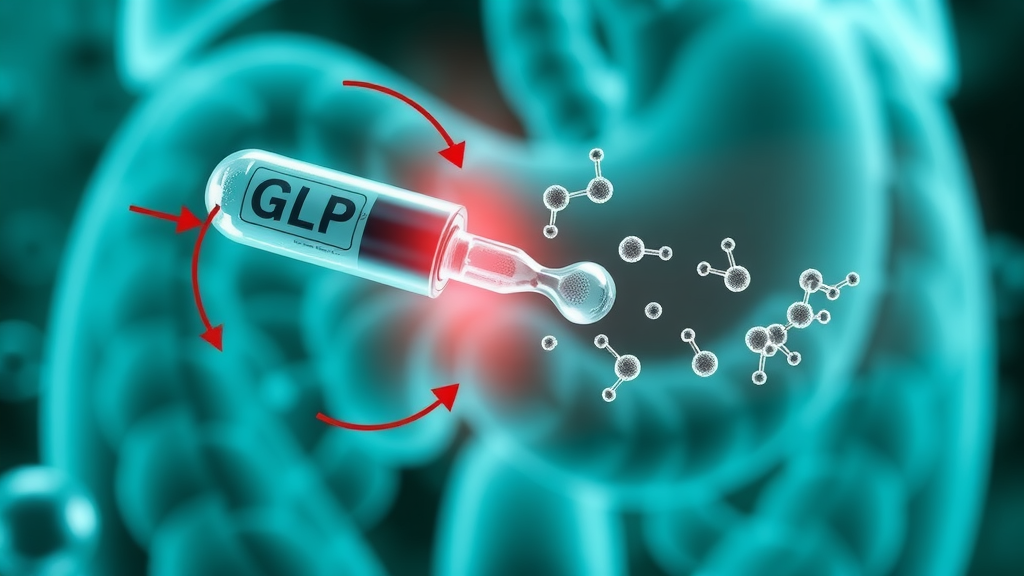
GLP medications work by acting as powerful receptor agonists . Essentially, they mimic the body’s natural glucagon-like peptide-1 hormone, which plays a vital role in blood sugar regulation and appetite suppression. Once administered, these drugs bind to specific gut receptors, triggering a cascade of events that increase insulin secretion (when blood sugar is high), suppress the release of glucagon, and slow gastric emptying. This combination helps people with type 2 diabetes and metabolic syndrome to stabilize blood glucose levels and often contributes to reduced body weight.
What sets these receptor agonists apart is their ability to act almost like a biological “dimmer switch”—tamping down spikes in blood sugar, curbing overeating by spreading out the sensation of fullness, and even improving heart health. Unlike older diabetes medications that act on blood sugar alone, GLP drugs offer a more holistic approach. With regular use, many individuals see improvements in not just blood glucose control, but also in weight management and cardiovascular risk factors—a triple win that explains their rapid surge in popularity.
How GLP Medications Differ from Traditional Diabetes Medications
- Traditional diabetes medications often target insulin directly.
- GLP medications offer additional benefits for weight management and cardiovascular health.
While well-known diabetes medications , such as metformin or sulfonylureas, primarily work by increasing insulin secretion or improving insulin sensitivity, GLP medications operate on multiple hormonal fronts. This means that in addition to supporting blood sugar control, they actively influence appetite regulation and, in many cases, help users lose weight . Some newer studies even show that GLP drugs provide cardiovascular protection—reducing risks of certain heart-related complications in people with type 2 diabetes.
The difference is evident in real-world outcomes. For example, while older medications may reduce blood glucose levels and lower blood pressure, they often come with the risk of weight gain or low blood sugar episodes. In contrast, GLP medications are less likely to cause these problems, making them especially attractive for people looking to improve both their metabolic health and their waistline. Nevertheless, it’s important to remember these newer options aren’t right for everyone; a discussion with your care provider is always essential when choosing any diabetes medication.
Weighing the Benefits of GLP Medications: Is Weight Loss Too Good to Be True?
GLP Medications and Sustainable Weight Loss Outcomes
- Many patients report significant weight loss —some more dramatic than expected.
- Success stories, backed by clinical data, remain mixed with real-world outcomes.
The most attention-grabbing headlines about GLP medications highlight dramatic drops in body weight —and for good reason. Clinical trials have repeatedly shown meaningful weight loss in people with type 2 diabetes and even more remarkable results for some people using these medications specifically for weight management . For instance, semaglutide (Ozempic, Wegovy) has garnered a reputation as the first diabetes medication in years to rival the effect of bariatric surgery for certain individuals.
Yet, not every user experiences life-changing results. While there are countless anecdotes of losing 20, 30, or even more pounds, real-world data reveals a spectrum: some find themselves plateauing or gaining weight back if lifestyle changes aren’t part of the plan. Genetics, underlying health issues, and the ability to maintain a healthy diet and exercise all influence how a person ultimately responds. Moreover, some individuals are surprised by the common side effects —including nausea or gastrointestinal issues—which can hinder sustained use.
“GLP medications helped me lose 30 pounds, but not without intensive lifestyle support and regular monitoring.” — Patient testimonial
Exploring Weight Management Strategies Alongside GLP Medications

- Lifestyle intervention remains critical for long-term weight management .
- GLP medications work best when combined with nutrition and physical activity.
While GLP medications can kickstart weight loss or support people struggling with obesity and type 2 diabetes, they should never be seen as a one-step miracle. The Food and Drug Administration and leading specialists emphasize integration with healthy habits. This means that eating nutritious foods, increasing daily physical activity, and regular check-ins with your healthcare team must be part of the broader treatment plan .
Finding sustainable success requires a combination of tools. Some people may respond exceptionally to the appetite-lowering effects of GLP receptor agonists early on, but real progress in weight management tends to favor those who set realistic goals, track their food and movement, seek social support, and adapt their strategies as challenges arise. So, whether you’re hoping to lose weight or better manage your diabetes, pairing these prescription drugs with holistic lifestyle changes delivers the safest and most reliable path to improvement.
The Reality of GLP Medication Side Effects: What to Expect
Common and Rare Side Effects of GLP Medications
- Nausea, diarrhea, and decreased appetite are the most-reported side effects.
- Severe complications are rare but worth monitoring.
As revolutionary as GLP medications can be, no treatment is risk-free. Whether taken for weight management or diabetes care, these receptor agonists are associated with a variety of side effects . The most common side effects (nausea, vomiting, diarrhea, and decreased appetite) tend to appear early and can be a reason for stopping the medication if they persist. For some, mild symptoms fade over time, but for others, they are bothersome enough to interfere with daily life.
Rare but serious adverse events—such as pancreatitis, gallbladder disease, or changes in mood—are far less frequent but have been documented. For people with a history of thyroid cancer or severe gastrointestinal disease, GLP medications come with strong warnings. The risk-benefit must always be carefully weighed with a qualified care provider who can help you navigate options if problems occur.
How to Minimize GLP Medication Side Effects: A Practical Approach
- Starting at a low dose and gradually increasing can help.
- Collaborating with your healthcare provider ensures personalized care.
“Choosing a GLP medication is never a one-size-fits-all solution; carefully assess the risk-benefit with your care provider.” — Endocrinology Specialist

Fortunately, with expert guidance, many side effects can be minimized. Most experts recommend beginning at the lowest dose and titrating upward to maintain effectiveness while reducing discomfort. This approach allows the body to acclimate and often keeps nausea or gastrointestinal upset at bay. Open and frequent conversations with your healthcare provider are invaluable—not only to manage immediate reactions but to adjust the treatment plan if rare or persistent issues develop.
Personalized medicine is a must here. Factors such as other medications, pre-existing health conditions, and unique biology mean your response may differ from others’. If you notice ongoing problems or subtle changes in your health, don’t “tough it out” alone. Your provider can advise on alternative dosing, adjunct therapies, or switching to another GLP receptor agonist or diabetes medication as needed, ensuring that safety is never compromised for results.
Consulting Your Healthcare Provider: Personalized Advice on GLP Medications
Why Care Providers Are Essential in GLP Medication Therapy
- Regular consultations ensure effective dose management.
- Monitoring blood pressure and other metrics for safety.
Your care provider is your key ally in the journey through GLP medication therapy. Frequent check-ins offer more than just reassurance—they ensure the right dose is prescribed, track improvement in blood glucose levels and body weight , and keep a close watch on emerging side effects . This medical partnership also enables timely intervention if any risk factors, such as rising blood pressure or unusual lab results, come to light.
Technology adds another layer of support. Many providers now leverage telehealth, online logs, and digital trackers so patients can quickly report symptoms or send updates on progress between office visits. These tools make it easier to assess whether your current treatment plan is optimal, especially in the early stages or during dose changes. Trust and communication with your healthcare provider empower you to make truly informed decisions together.
Key Questions to Ask Your Care Provider About GLP Medications
- What are the risks of GLP medications for me?
- Are there alternative diabetes medications that might be safer or more effective?

Preparing thoughtful questions in advance can maximize your healthcare appointment. Ask about potential interactions with other drugs you’re taking, how your unique medical history influences risk, and what monitoring schedule is recommended for you. Don’t shy away from inquiries about insurance coverage, out-of-pocket costs, and whether less expensive options are available. While your care provider will tailor recommendations based on the latest guidelines, your role in asking questions and voicing concerns is pivotal in shaping the most effective care.
Ultimately, this isn’t a one-size-fits-all prescription. Given the constant evolution of diabetes research and rapid changes in guidelines, maintaining regular dialogue with your healthcare team keeps you informed and empowered, leading to better outcomes and a higher level of satisfaction with your chosen therapy.
Examining the Broader Impact of GLP Medications: Diabetes, Blood Pressure, and Beyond
GLP Medications Versus Other Diabetes Medications
- GLP medications often outperform other diabetes medications for cardiovascular benefits.
- Not all patients experience the same blood pressure improvements.
Comparing GLP medications with more traditional diabetes medications reveals critical distinctions. Research suggests these receptor agonists reduce the risk of major adverse cardiovascular events, like stroke or heart attack, more robustly than older drugs. However, when it comes to lower blood pressure or the risk of hypoglycemia, individual differences count—a reminder that “best” is personal and needs to be weighed in context.
While some people find all-around improvements (better glycemic control, weight loss, and blood pressure moderation), others may see only modest benefits or be more prone to common side effects . This reinforces the need for regular follow-up and reassessment. Tailoring therapy in partnership with your healthcare team leads to safer, more reliable results.
| Feature | GLP Medications (Receptor Agonists) | Traditional Diabetes Medications |
|---|---|---|
| Mechanism | Mimics gut hormones, increases insulin release, decreases appetite | Direct insulin stimulation or improved sensitivity |
| Weight Effect | Usually loss or stable | Often neutral, sometimes gain |
| Hypoglycemia Risk | Low | Higher (with sulfonylureas, insulin) |
| Cardiovascular Benefit | Systematic, well documented | Varies, less robust |
| Dosing | Weekly or daily | Daily, some multiple times/day |
| Insurance Coverage | Often restricted, sometimes expensive | More options for generics |
Considering Blood Pressure and Cardiovascular Benefits
- Studies suggest a mild reduction in blood pressure in some patients.
- Discuss these effects with your healthcare provider for proper evaluation.
One of the more understated benefits of GLP medications lies in their ability to lower cardiovascular risk and sometimes modestly reduce blood pressure . This can be a game-changer for people who struggle with both type 2 diabetes and hypertension, potentially reducing the need for additional prescriptions. However, this benefit is not universal, and some people may need ongoing adjustments to their other drugs or lifestyle interventions.
Regular monitoring is crucial. Schedule frequent checks with your provider, and if you notice pronounced changes in your blood pressure—either too high or too low—report them immediately to avoid complications. Only your healthcare provider can tailor an effective and comprehensive treatment plan for you.
Who Should and Should Not Consider GLP Medications? (Opinion)
GLP Medications: Suitable Candidates and Contraindications
- Most effective for patients with type 2 diabetes and obesity.
- Contraindications: history of medullary thyroid cancer, pancreatitis, or certain allergies.
“Personalized medicine matters: not everyone will benefit, and contraindications do exist.” — Physician’s note
In my opinion, the best candidates for GLP medications are adults with type 2 diabetes who also battle obesity, especially when other therapies have fallen short. These drugs hold special promise for those with a high risk of cardiovascular complications, which is common in this demographic.
However, enthusiasm must be tempered with caution. People with a personal or family history of medullary thyroid carcinoma or who have experienced pancreatitis should generally avoid GLP drugs. Likewise, anyone with hypersensitivity or certain gastrointestinal diseases must seek expert evaluation before starting therapy. Your care provider plays a critical role in balancing these risks and determining eligibility based on the latest guidelines.
Exploring Alternatives: Diabetes Medications and Non-Prescription Options
Affordable Alternatives to GLP Medications: Are They as Effective?
- Metformin, SGLT2 inhibitors, and lifestyle measures remain viable alternatives.
- Efficacy varies significantly between individuals.
GLP medications are game-changing, but they’re not your only option. For many, classic choices like metformin or the newer SGLT2 inhibitors yield reliable control over blood sugar at a significantly lower cost. These, combined with structured lifestyle upgrades (smarter nutrition, consistent physical activity), can match or even surpass newer drugs for some patients, especially when treatment adherence is strong.
That said, individual response is unpredictable; what works spectacularly for one person may fall flat for another. Your provider will weigh your medical history, response to prior drugs, and insurance considerations when presenting alternatives. Keeping an open dialogue about goals, priorities, and financial concerns helps ensure a regimen you can stick with.
When to Re-Evaluate Your Diabetes Medication Strategy

- If side effects become unmanageable or benefits plateau, consult your care provider.
- Regular reassessment is vital to ensure ongoing effectiveness.
Your treatment plan should never be set in stone. If you experience persistent side effects or notice diminishing returns—even after several months—don’t hesitate to review your strategy. Drug tolerance, changes in weight, increasing insulin resistance, and new medical conditions all influence your long-term path.
Proactive communication with your healthcare provider is essential for timely adjustments, whether it’s a dosage tweak, prescription change, or integrating new technology into your care. You deserve a regimen tailored to your evolving needs and lifestyle.
PAA: What are GLP medicines?
- GLP medicines are receptor agonists that mimic glucagon-like peptide-1, aiding in insulin secretion and appetite regulation.
GLP medicines belong to a unique group of drugs called receptor agonists . They closely resemble a hormone your gut naturally makes—GLP-1—that stimulates insulin release , lowers blood sugar levels in people with type 2 diabetes, and assists with appetite control. In addition to improving blood glucose levels , they support weight management , making them a cornerstone of modern treatment for select patients.
PAA: What works like Ozempic but is cheaper?
- Cheaper alternatives include Trulicity, Rybelsus, and generic versions. Effectiveness varies, and side effects should be discussed with healthcare providers.
If you’re looking for alternatives to Ozempic that may be easier on your wallet, ask your provider about options like Trulicity (dulaglutide), Rybelsus (oral semaglutide), and even generic or older versions where available. However, cost savings often come with trade-offs in dosing schedule, insurance restrictions, or potential side effects . Always consult your care provider to weigh these variables against your personal needs and goals.
PAA: Who cannot take GLP-1?
- Individuals with a history of medullary thyroid carcinoma or pancreatitis, or severe gastrointestinal disease, are advised against GLP-1 medications.
GLP-1 medicines are powerful, but not for everyone. If you have—or have had—certain thyroid cancers, experienced pancreatitis, or struggle with severe GI conditions, your provider may recommend avoiding these drugs. This is why a detailed personal and family history discussion is non-negotiable before starting therapy.
PAA: Is GLP-1 the same as Ozempic?
- Ozempic is a specific GLP-1 receptor agonist, but not all GLP-1 medications are Ozempic; others include Wegovy and Trulicity.
GLP-1 is a category of receptor agonist drugs mimicking the gut hormone GLP-1. Ozempic is one brand (semaglutide) in this category. Other notable GLP-1 drugs on the market include Wegovy and Trulicity . Your prescribing decision hinges on unique health needs, coverage, and preference.
FAQs on GLP Medications and Side Effects
- Can GLP medications interact with other diabetes medications?
- How long do GLP medication side effects last?
- Are GLP medications covered by insurance?
Can GLP medications interact with other diabetes medications?
Yes, GLP medications can potentially interact with other diabetes medications. It’s important to coordinate with your healthcare provider to avoid low blood sugar (hypoglycemia) or overlapping side effects.
How long do GLP medication side effects last?
Most common side effects, such as nausea or diarrhea, tend to subside after several weeks as the body adjusts. However, for some, symptoms may persist or require a change in dosing or medication. Always report lingering or severe effects promptly.
Are GLP medications covered by insurance?
Coverage varies widely by insurance plan. Some restrict these drugs or require prior authorization, so check with your provider and insurance company for personalized information.
Summing It Up: Honest Reflections and Expert Opinions on GLP Medications
“While GLP medications offer remarkable promise, an individualized approach and regular monitoring are key to their optimal use.” — Registered Dietitian
The rise of GLP medications brings undeniable benefits and new choices in diabetes and weight management . They’re powerful tools—when used wisely, monitored closely, and layered with lifestyle support. Every patient’s journey is different; regular adjustments, honest conversations with your care team, and personal commitment to health transform these medications from a quick fix to a catalyst for genuine change.
Next Steps: Discuss GLP Medications with Your Healthcare Provider
Ready to take control of your diabetes or start a new weight management journey? Schedule a conversation with your healthcare provider. Your well-being is worth a thoughtful, individualized approach—don’t settle for less.